
About us
History
The Occupational Dermatology Research and Education Centre (ODREC) is an internationally renowned centre with extensive experience in the assessment and management of occupational contact dermatitis.
ODREC was established at the Skin Health Institute (formerly known as the Skin and Cancer Foundation) in 2001, by Associate Professor Rosemary Nixon and RN, Ms. Kath Frowen, after receiving federal government funding for a period of 5 years.
Since 2006, ODREC has been self-funded through clinical avenues, education initiatives and supported by the Skin Health Institute.
ODREC is Australiaās only occupational dermatology clinic and are responsible for the development of an amazing online patch testing management system, PatchCamsĀ©. This resource is one of a kind, with few similar occupational dermatology databases elsewhere in the world. Over 10,000 patients have been seen in the patch testing clinics since 2001. This resource allows patch testing to be performed in a seamless manner and to also track new and emerging allergens.
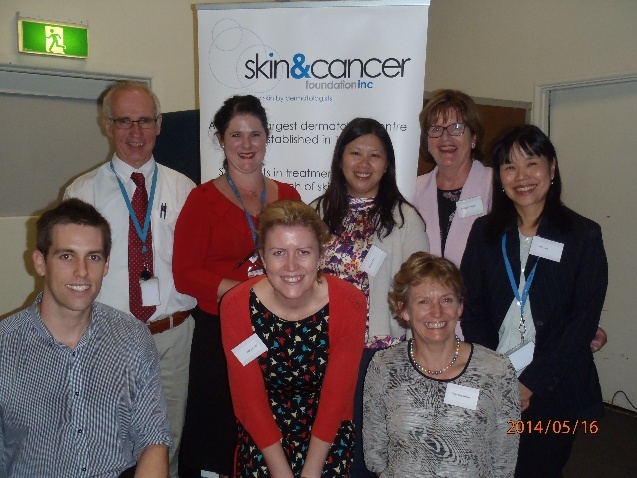
From left to right: Front row: Dr Ryan Tolholka, Dr Jennifer Cahill, Dr Rosemary Nixon
Back row: Dr Bruce Tate, Dr Adriene Lee, Ms. Kath Frowen and Dr Mei Tam.
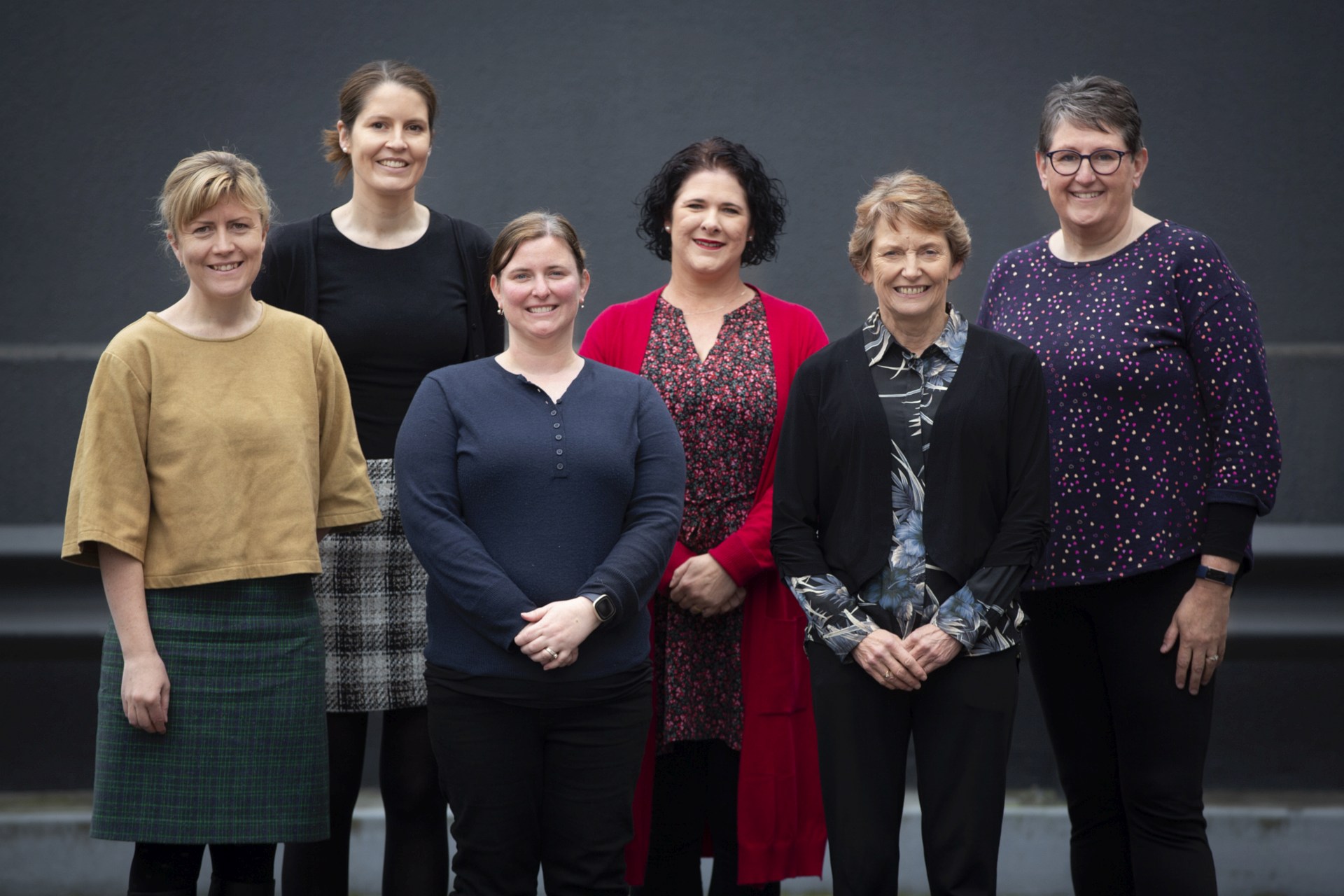
From left to right: Dr Jenny Cahill, Dr Claire Ronaldson, Karen Betts,
Amanda Palmer, Dr Rosemary Nixon and Suzette Foster
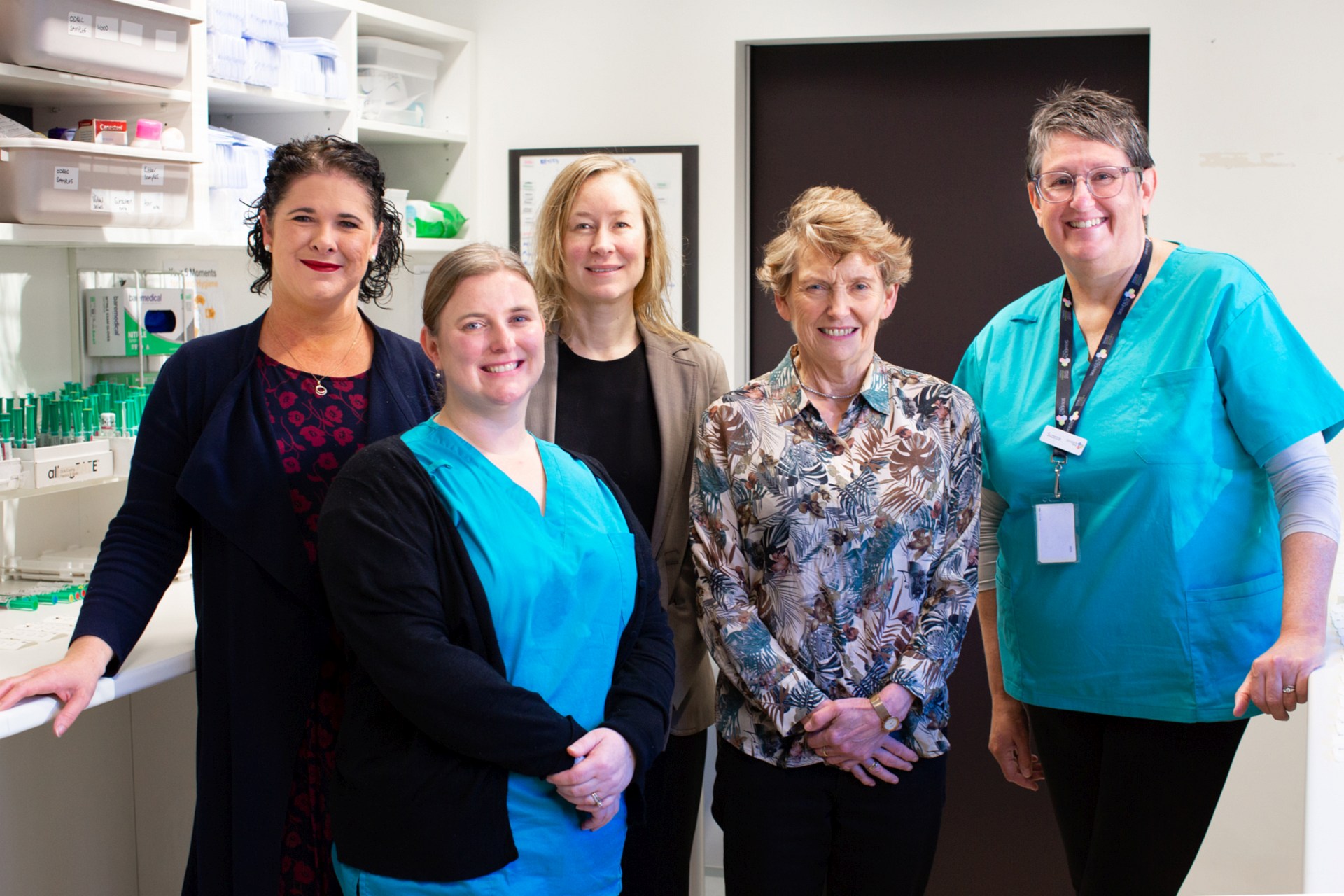
Amanda Palmer, Karen Betts, Dr Claire Higgins, Dr Rosemary Nixon and Suzette Foster
Goals and aims
ODREC aims to reduce the incidence of contact dermatitis in occupational groups and in the Australian community, through research, publications and education.
Goals:
- To educate professionals regarding patch testing
- To be an authoritative source for information about contact dermatitis
- To facilitate patch testing for dermatologists, particularly in rural and remote areas
- To perform and publish research and translate research findings
- To engage with high-risk groups to reduce occupational contact dermatitis
- To engage with authorities to reduce exposure to known allergens
Funding and donations
Since the original seed funding ceased, ODREC has largely become self-funding through patch testing clinics and Contact Allergen Bank, grants (research, education and philanthropic) and educational initiatives such as Skin Health Education Day and Patch Test Training Day.
ODREC is also appreciative of the ongoing support from the Skin Health Institute.
ODREC and SHI can also accept donations. For more information refer to skin health direct link
adipiscing elit, sed do eiusmod tempor incididunt ut labore et dolore magna aliqua.
Affiliations
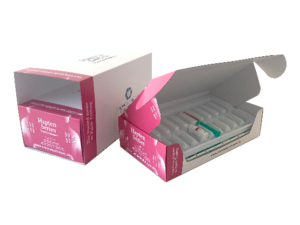
Chemotechnique- Allergen supplier of Skin Health Institute
SHI import allergens directly from Chemotechnique, Sweden for use in our clinics and for Contact Allergen Bank Australia.
We are approved to import and sell allergen syringes to Australian dermatologists, who are new to patch testing or who might be wanting to switch from a previous manufacturer. If you are interested in learning more, please emailĀ [email protected]
Chemotechnique is located in Sweden and have been involved in manufacturing patch test solutions since 1981 and distribute to more than 100 countries. They are also involved in research and development and work closely with contact dermatitis research groups such as the International Contact Dermatitis Research Group (ICDRG).
They provide a comprehensive range of patch test products including happens/allergens, patch testing tapes, accessories including skin markers and nickel spot tests, all designed to support an accurate diagnosis of contact allergies. Manufactured in Sweden, under strict GMP standards and audited by Swedish medical Products Agency, products are ensured to be of high quality and reliability.
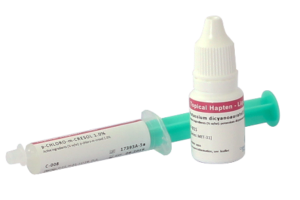
Chemotechnique aims to not only provide dermatologists /allergists, with necessary happens and patch test products but also to take part in the development and selection of haptens with special emphasis in the field of occupational dermatology. They also focus on the standardization of patch test haptens. They strive towards these goals which is facilitated by the fact they specialize in and only work with products for diagnostic patch testing and prevention in the field of contact allergy.
Chemotechnique is located in Sweden and have been involved in manufacturing patch test solutions since 1981 and distribute to more than 100 countries. They are also involved in research and development and work closely with contact dermatitis research groups such as the International Contact Dermatitis Research Group (ICDRG).
They provide a comprehensive range of patch test products including happens/allergens, patch testing tapes, accessories including skin markers and nickel spot tests, all designed to support an accurate diagnosis of contact allergies. Manufactured in Sweden, under strict GMP standards and audited by Swedish medical Products Agency, products are ensured to be of high quality and reliability.
The Chemotechnique website is an amazing resource of allergen information sheets and provides a full catalogue
of commercial allergens available for patch testing.
The International Contact Dermatitis Research Group (ICDRG)
The International Contact Dermatitis Research Group, otherwise referred to as the ICDRG, was first formed in 1966 and continues to meet today, with representatives from all over the world, including Rosemary Nixon, from SHI.
This group is responsible for research into allergens and recommended changes to guidelines in patch testing.
To learn about current research and upcoming meetings please view the website below.
More information available at www.icdrg.org
Asia- Pacific Environmental Occupational Dermatitis Group (APEOD)
Asia-Pacific Environmental and Occupational Dermatology Symposium, otherwise referred to as APEODS, is a group of eminent dermatologists from Asia-Pacific countries who share an interest in contact dermatitis.
This group is responsible for research into allergens and recommended changes to guidelines in patch testing.
To learn about current research and upcoming meetings please view the website below.
More information available at www.apeods.org