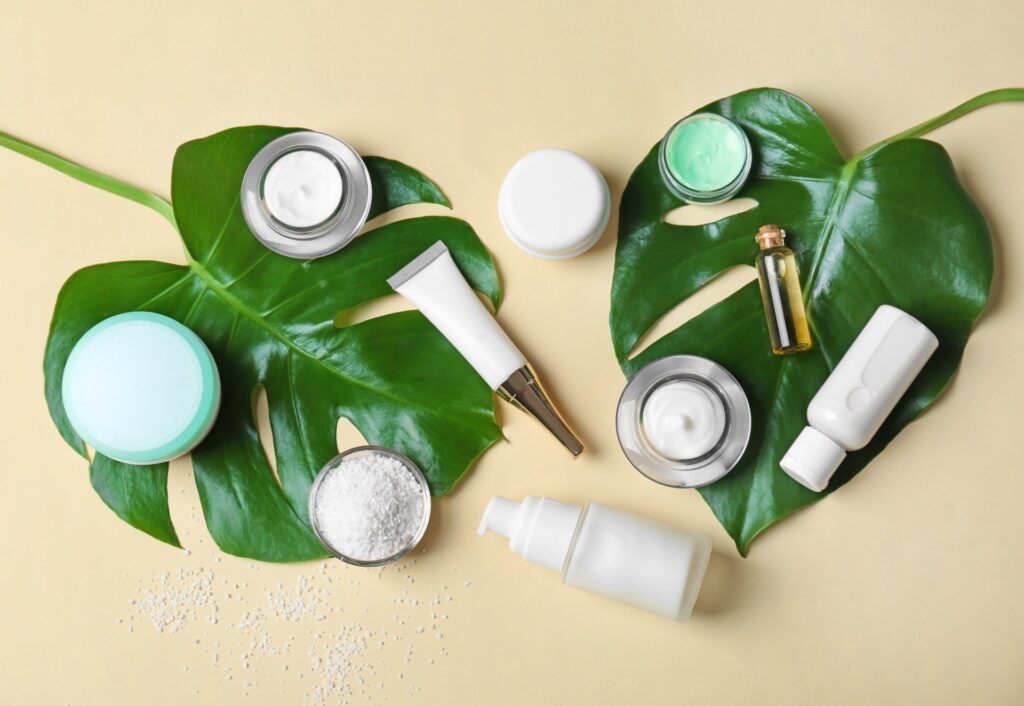
Fragrances continue to dominate as the most common allergens seen in our clinic. The most common fragrances include fragrance mix 1 and 2, hydroperoxides of limonene and linalool.
To help prevent further people developing allergies to fragrances, we have prepared an information sheet about how to avoid fragrances, which you can download here. INSERT LINK.
The community can minimise the risk of developing a fragrance allergy by avoiding contact with fragranced products and essential oils.
Fragrance can be hard to avoid as they appear as so many different names on labels of products, it’s confusing. Names to avoid include fragrance, perfum/perfume, linalool, limonene, geraniol, isoeugenol, cinnamic alcohol, cinnamic aldehyde, hydroxy citronellol, oakmoss, citral, citronellol, coumarin, farnesol, benzoyl alcohol, hydroxyisohexyl cyclohexene carboxaldehydes (lyral), alpha isomethylionone, butyl phenyl methylpropional (lilial) and lavender.
Essential oils can also cause a problem, especially if applied directly to the skin.
Essential oils are used widely in the community for medicinal purposes, for massage, in oil burners or in reed or plug in diffusers. Essential oils are also included in many household products including shampoos, hand-washes and cleaning products. One of the most popular oils used is tea tree oil used for its antiseptic properties on itches and bites, acne, rashes, and cuts. Even though these oils are ‘natural’, they can still cause problems for some people.
Lavender oil is another common oil that can cause issues, hence it has been added to our Australian Baseline Series.
One of the main problems with the use of essential oils, relates to when they are used ‘neat’ or straight from the bottle, without being diluted. Without dilution, there is potential for people to become sensitised and an allergy to the essential oil may develop. A good example is tea tree oil; its antibacterial properties are active even after being diluted to a concentration of 5%, so there is no need for this oil to be applied neat onto the skin.
Data from our patch testing clinic has found that that allergy to tea tree oil is not uncommon, with more than 40 cases reported, or approximately 1% of all patients tested to tea tree oil being allergic.
Lavender allergy impacts approximately? of our clinic population.
An area of action that we believe is necessary, is labelling on bottles of essential oils to include instructions that the oil should be diluted before being applied directly to the skin.